Why Enterprise Leaders Should Care About AI Market Fit
What Just Happened?
Anthropicand OpenAI—the two most prominent artificial intelligence companies—have reached a critical business milestone: product-market fit. This means they’ve built AI tools that solve real problems for real customers, and those customers are actively paying for and recommending these solutions. For Anthropic, this reflects growing enterprise adoption of Claude, their AI assistant. For OpenAI, it validates ChatGPT’s transformation from viral novelty to essential business tool with millions of paying users and enterprise contracts.
Product-market fit is a specific moment in business history. It’s not about having the best technology or the most venture capital funding. It’s about having something customers actually need, use repeatedly, and willingly pay for. Both companies have crossed this threshold, meaning the market for enterprise AI tools is no longer theoretical—it’s real, measurable, and accelerating.
Why Does This Matter for Your Business?
When AI tool providers achieve product-market fit, it signals that artificial intelligence adoption is moving from “nice to have” to “competitive necessity” for enterprises. McKinsey research shows that organizations already using AI tools in production are seeing measurable productivity gains, with early adopters reporting 10-15% efficiency improvements in knowledge work. This isn’t speculation anymore—it’s documented business impact from companies using these exact platforms.
What matters for your organization is timing. Once major AI tools reach product-market fit, enterprise adoption accelerates rapidly. Your competitors are already licensing these tools, training teams on them, and integrating them into workflows. The cost of waiting grows daily because each quarter of delay means your organization is running operations with less efficient processes than your market competitors. This affects hiring decisions (you might need fewer people for the same output), client delivery timelines, and your ability to win contracts against faster-moving competitors.
What Should HR Leaders Do Now?
– Begin AI literacy training programs immediately. Don’t wait for perfect curriculum. Start with department heads and executive teams learning how these tools actually work through hands-on sessions, then cascade training down. Make it clear this is business-critical skill development, not optional upskilling.
– Audit your current workflows for AI automation opportunities. Work with department leads to identify repetitive tasks—report generation, email drafting, data analysis, contract review—that enterprise AI tools can handle. Document which teams would see immediate productivity gains.
– Prepare workforce transition plans. Product-market fit means rapid adoption is coming. Some roles will shift rather than disappear. Plan how you’ll redeploy people from routine work to higher-value activities like strategy, client relationships, and problem-solving that AI can’t do.
– Update your hiring profile for AI-native roles. Begin recruiting for positions that focus on AI oversight, prompt engineering, and AI tool management. These new skill sets will define your competitive advantage in the next 18 months.
What Should Legal Teams Do Now?
– Establish AI tool vendor agreements and data governance policies. Enterprise AI adoption means confidential information flows through third-party systems. Create clear policies on what data can be processed through these tools, especially regarding client information, contracts, and proprietary strategies.
– Review and update IP ownership language in employment contracts. Clarify who owns work created with AI assistance—your organization or employees. Create consistent standards across the company for AI-generated content in client-facing materials.
– Monitor regulatory compliance implications. Depending on your industry (finance, healthcare, legal services), using these tools may trigger compliance requirements. Map out regulatory considerations specific to your sector and customer agreements.
– Conduct third-party risk assessments on AI providers. Before enterprise deployment, evaluate Anthropic and OpenAI contracts for data retention, security standards, and service level agreements. Ensure terms protect your organization’s interests.
What Should Marketing Leaders Do Now?
– Test AI tools for content creation and campaign optimization. Don’t wait for internal sign-off. Start experimenting with these platforms for email copy, social content, and landing page variants. Document what works and what doesn’t so you can build your team’s capability.
– Prepare customer messaging about your AI adoption. Customers increasingly ask whether companies use AI and how. Develop transparent messaging about where and how you’re deploying these tools, and what quality safeguards you’ve implemented.
– Identify marketing analytics and personalization opportunities. Enterprise AI tools excel at analyzing customer data patterns and generating personalized messaging. Map how these capabilities could improve campaign performance and customer segmentation.
– Audit your competitive positioning. Research whether competitors are publicly promoting AI-driven capabilities. If so, you’re already behind. Begin positioning your organization as AI-enabled in relevant customer conversations.
What Should Finance Leaders Do Now?
– Model the financial impact of enterprise AI adoption. Calculate current costs for knowledge work (headcount, time spent on routine tasks) versus costs of AI tool subscriptions. Most companies find the ROI case is favorable within 6 months, which justifies immediate investment.
– Allocate budget for AI tool licensing across departments. Don’t centralize all spending. Give departmental leaders budget authority to adopt appropriate AI tools. This accelerates implementation and captures department-specific use cases faster than top-down mandates.
– Establish AI spending as a strategic line item. Rather than treating AI tool subscriptions as one-off expenses, formalize it as an ongoing budget category. This signals organizational commitment and makes it easier to justify future investments.
– Track AI adoption metrics and ROI by department. Create dashboards showing adoption rates, feature usage, and preliminary productivity metrics. Use this data to justify continued investment and identify which teams need additional training or support.
What Should Executives Prioritize?
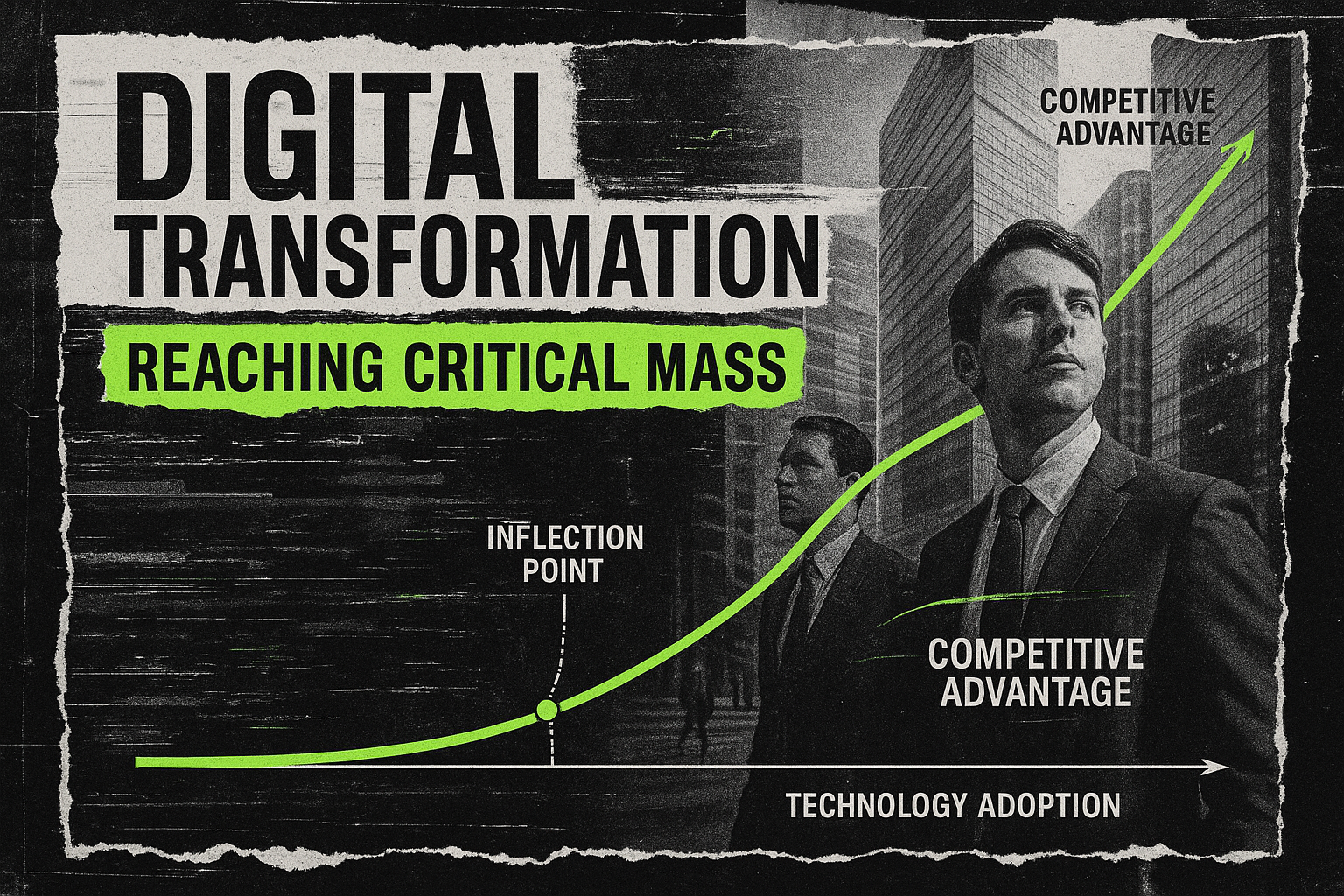
Product-market fit for AI tools means your organization faces a strategic inflection point. The companies that move decisively now—adopting these tools, training teams, and integrating AI into core workflows—will have structural competitive advantages within 18 months. Waiting creates compounding disadvantages. According to Deloitte‘s enterprise AI research, first-movers in AI adoption report capturing 20-30% productivity gains before competitors catch up. After that, the advantage flattens as the market saturates.
Your priority is orchestrated implementation, not perfect planning. Announce that your organization is adopting enterprise AI tools. Assign a cross-functional team (HR, IT, compliance, operations) to oversee implementation. Set a 90-day target for basic deployment in at least two departments. This creates organizational momentum, demonstrates leadership commitment, and allows you to learn from early mistakes at scale. The companies that will succeed are those that treat AI adoption as a business transformation initiative, not an IT project.
Key Takeaway
When AI tool providers achieve product-market fit, the question stops being “Should we use AI?” and starts being “How quickly can we integrate AI across our business?”
Sources: McKinsey, Deloitte